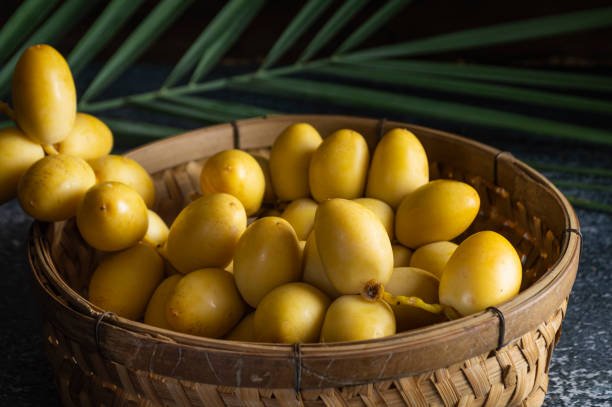


Barhi dates, with their golden-yellow color and naturally sweet taste, are considered one of the finest and most popular types of dates eagerly awaited during their season. Their value goes far beyond their delicious flavor, as they offer high nutritional content and numerous health benefits that change and develop throughout their different ripening stages. This unique characteristic makes Barhi dates a true natural treasure.
One of the most distinctive features of Barhi dates is that they can be consumed in three main stages: Khalal (Bisr), Rutab, and Tamr (Dry Dates).
As Barhi dates ripen, noticeable biochemical changes occur, affecting their nutritional value, water content, sugar levels, and antioxidant concentration.
At this stage, the fruit has a light yellow color with a firm, crisp texture.
★ Highest water content (around 63.3%), making it the lowest in calories
★ Lower sugar content compared to later stages
★ Richest stage in phenolic compounds and antioxidants
★ Contains Vitamin C, which is largely lost during later drying stages
The fruit becomes softer and juicier, with a light brown color.
● Reduced water content (approximately 32.6%–60%)
● Higher concentration of natural sugars
● Moderate caloric value (about 124–145 calories per 100 grams)
● Retains part of its Vitamin C content
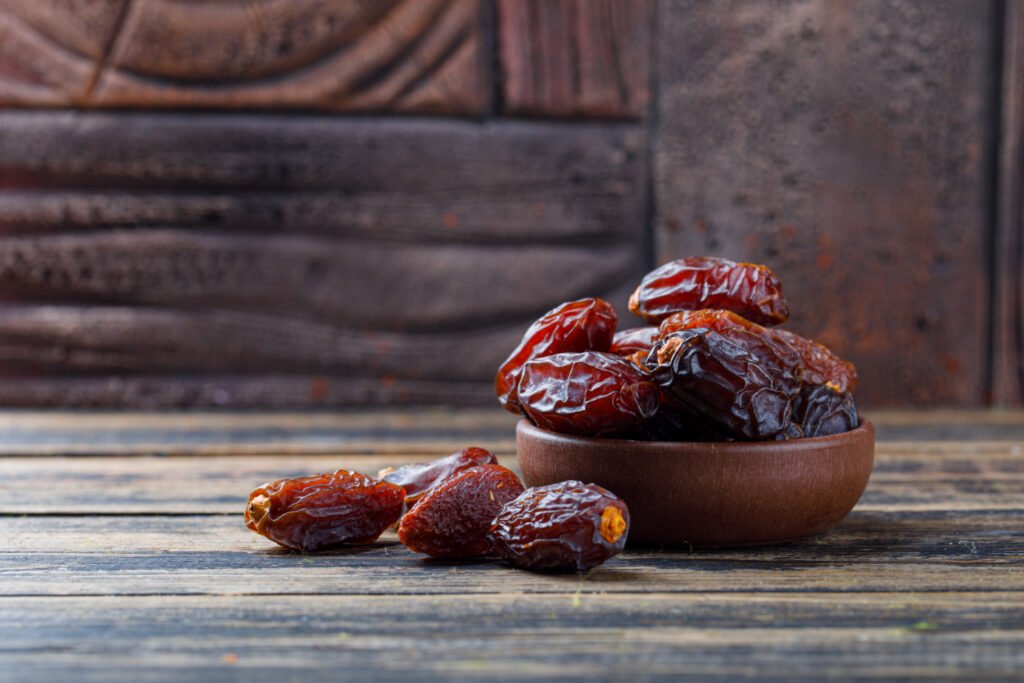
This is the final dry stage, where the fruit becomes wrinkled and dark brown.
● Lowest water content (around 20%)
● Highest concentration of sugars (around 76 g per 100 g)
● High calorie content (about 282 calories per 100 grams)
● Rich in dietary fiber and minerals such as calcium and iron
● Vitamin C is almost completely lost due to drying
| Nutritional Component | Khalal Stage (Biser) | Rutab Stage | Tamar (Dried Dates) Stage |
|---|---|---|---|
| Water content | High (around 63.3%) | Moderate (32.6%–60%) | Low (around 20%) |
| Calories | Low | Moderate | High |
| Sugars | Low | Moderate | High |
| Dietary fiber | High | Moderate | High |
| Vitamin C | Present | Present in lower amounts | Almost absent |
| Antioxidants | Highest concentration | Moderate | Relatively low |
| Nutritional Component | Value |
|---|---|
| Water content | High (around 63.3%) |
| Calories | Low |
| Sugars | Low |
| Dietary fiber | High |
| Vitamin C | Present |
| Antioxidants | Highest concentration |
| Nutritional Component | Value |
|---|---|
| Water content | Moderate (32.6%–60%) |
| Calories | Moderate |
| Sugars | Moderate |
| Dietary fiber | Moderate |
| Vitamin C | Present in lower amounts |
| Antioxidants | Moderate |
| Nutritional Component | Value |
|---|---|
| Water content | Low (around 20%) |
| Calories | High |
| Sugars | High |
| Dietary fiber | High |
| Vitamin C | Almost absent |
| Antioxidants | Relatively low |
Barhi dates in all stages are rich in antioxidants that protect the body from free radical damage and help prevent chronic diseases.
Barhi dates help maintain heart health due to their rich content of minerals, fiber, and antioxidants.
Barhi dates contain essential minerals that work together to enhance bone density.
Barhi dates are rich in dietary fiber, especially in the Khalal and Tamr stages.
Despite their sweetness, the fiber in Barhi dates slows sugar absorption into the bloodstream, helping prevent sharp blood sugar spikes when consumed moderately.
Antioxidants and vitamins in Barhi dates protect brain cells and improve mental performance.
Barhi dates are rich in easily absorbed natural sugars (glucose, fructose, sucrose), making them an excellent source of quick energy. They also contain B vitamins that support energy metabolism and ATP production.
Barhi dates enhance immune defense due to their antioxidant and vitamin content.
Laboratory studies indicate that date extracts, including Barhi dates, may have anti-cancer properties due to their high phenolic and flavonoid content. These compounds act at the cellular level through precise biochemical mechanisms:
Storage methods vary depending on the ripening stage to preserve quality and nutritional value.